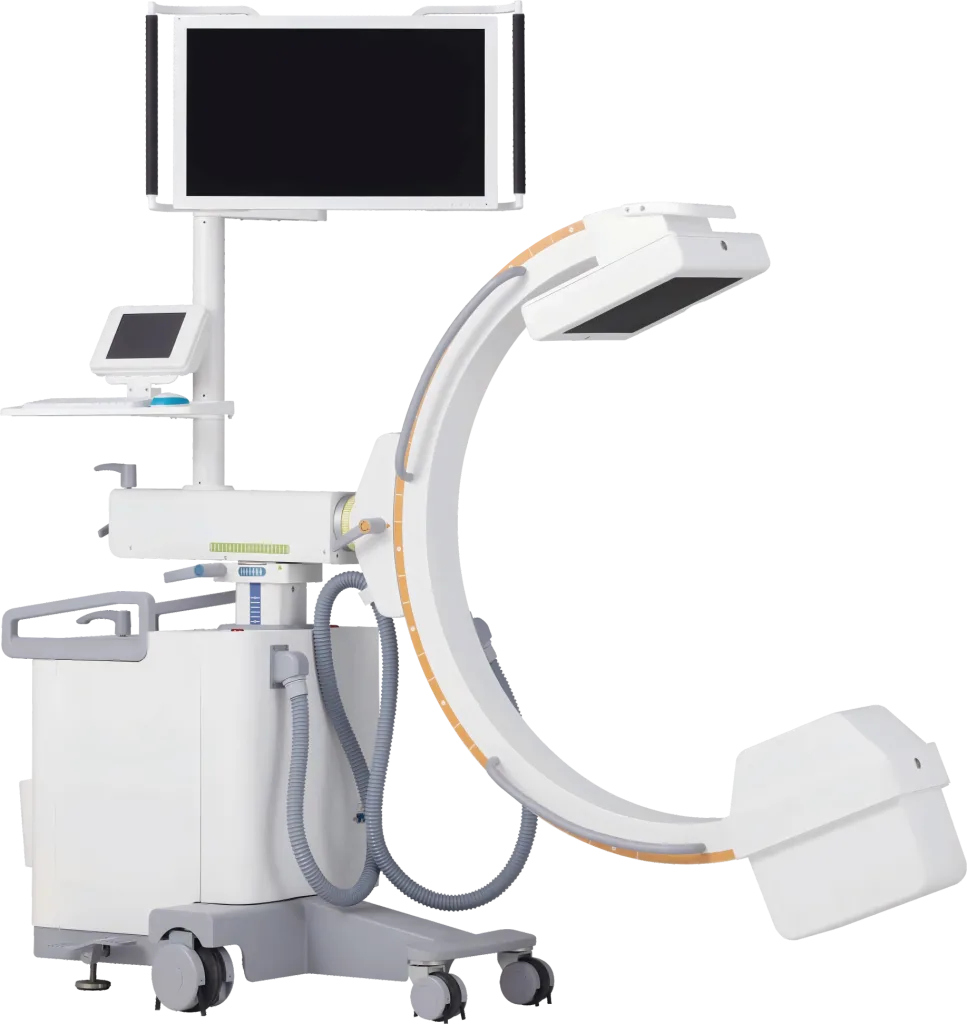
3D C‑Arm Imaging: Advanced Intraoperative X‑Ray Solutions
Practical guide to 3D C‑arm systems: principles, clinical uses, workflow optimization, radiation safety, and artifact reduction.
Practical guide to 3D C‑arm systems: principles, clinical uses, workflow optimization, radiation safety, and artifact reduction.
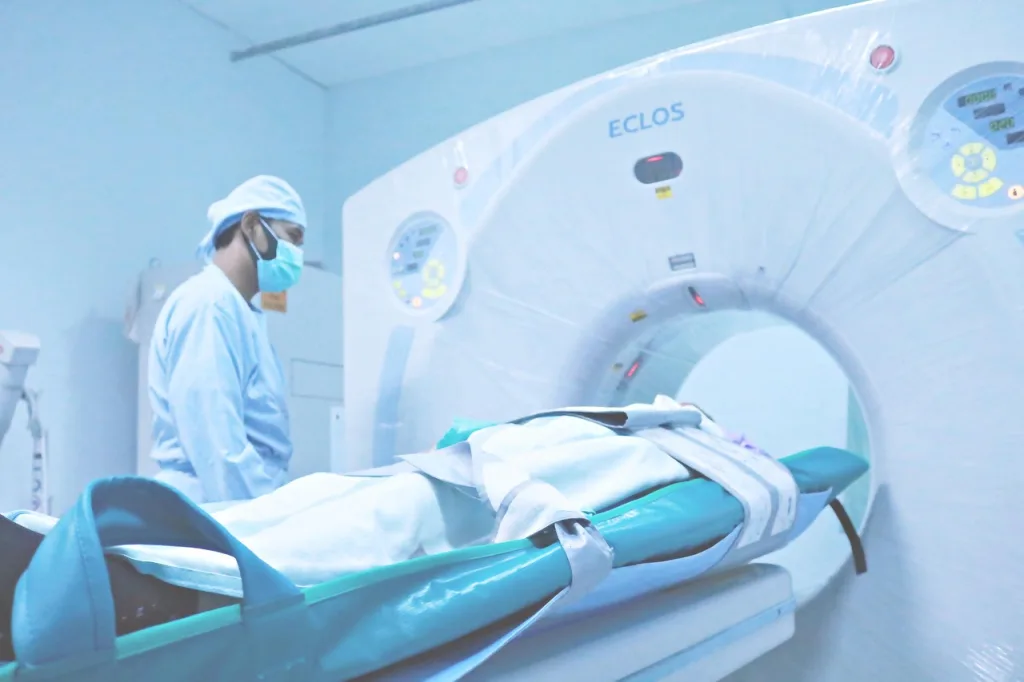
A practical comparison of axial (step‑and‑shoot) and helical (spiral) CT modes — principles, image-quality differences, clinical uses, and selection tips.
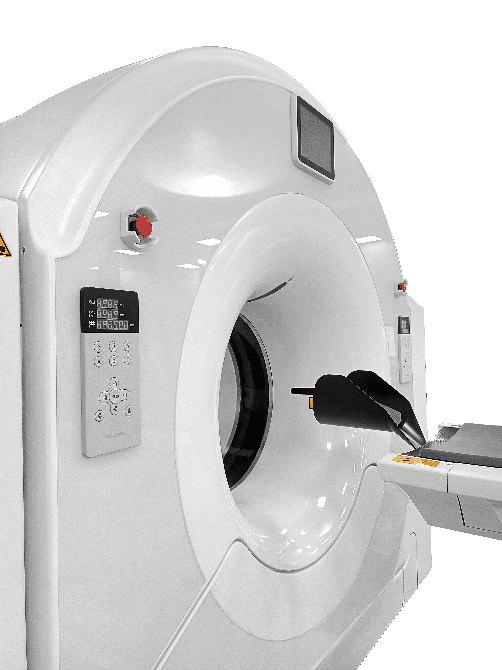
MRI uses magnets and radio waves—not ionizing radiation—for soft-tissue imaging. Cost, safety limits, and exam duration affect clinical use.
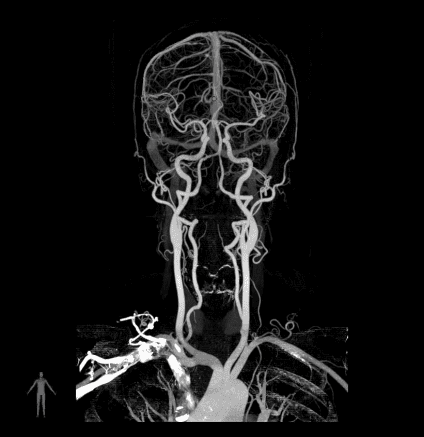
Patient-friendly overview of CT scans — how they work, common uses, prep tips, contrast precautions, and key safety guidance.
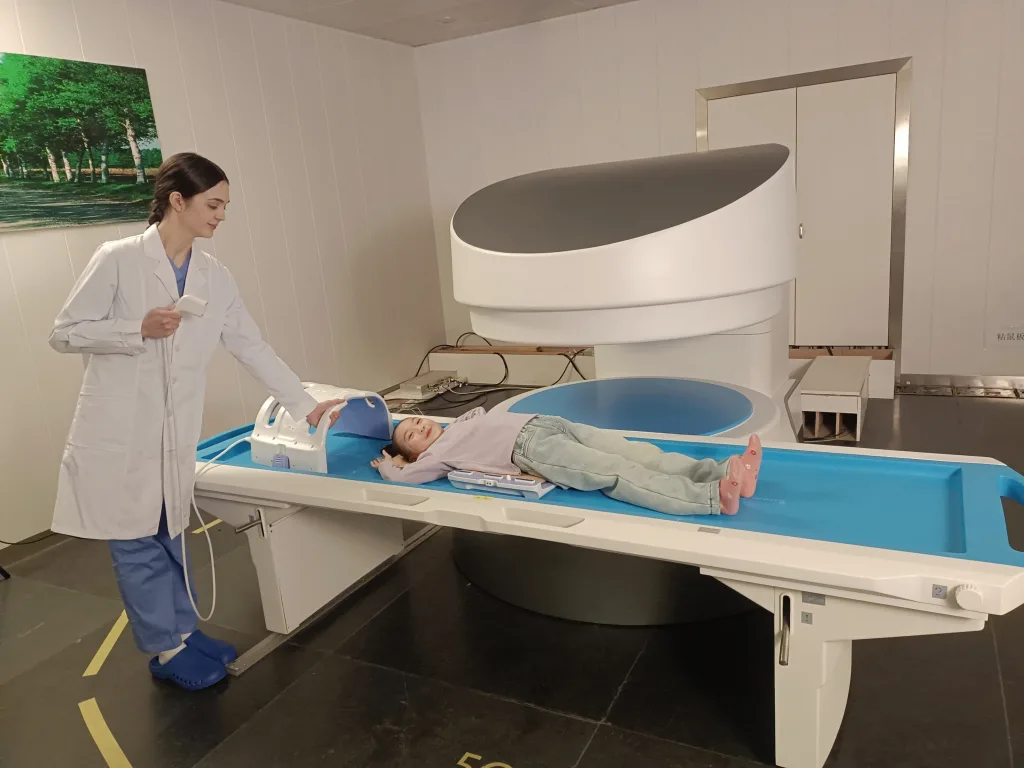
Learn what to expect during an MRI scan, safety considerations for implants and metal, gadolinium contrast precautions, noise and claustrophobia management, and a 12-point pre-scan checklist for patients. Practical, up-to-date advice for international patients.
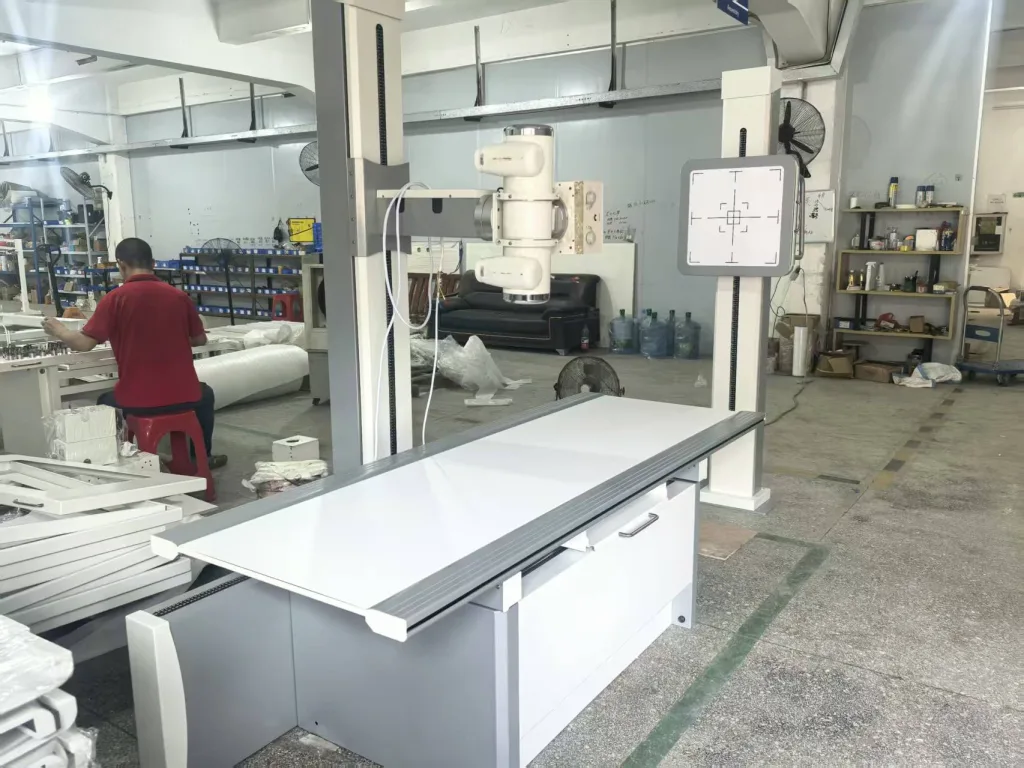
A chest radiography stand is a vertical support that secures film cassettes or digital detectors for upright chest X‑rays. Modern stands offer adjustable height, tilt control, and secure locking—available in manual or electric versions—to improve positioning accuracy, reduce repeat scans, and streamline workflow. When choosing a model, prioritize detector compatibility, smooth adjustability, durable construction, safety certifications, and local service support to ensure consistent image quality and efficient clinical operation.
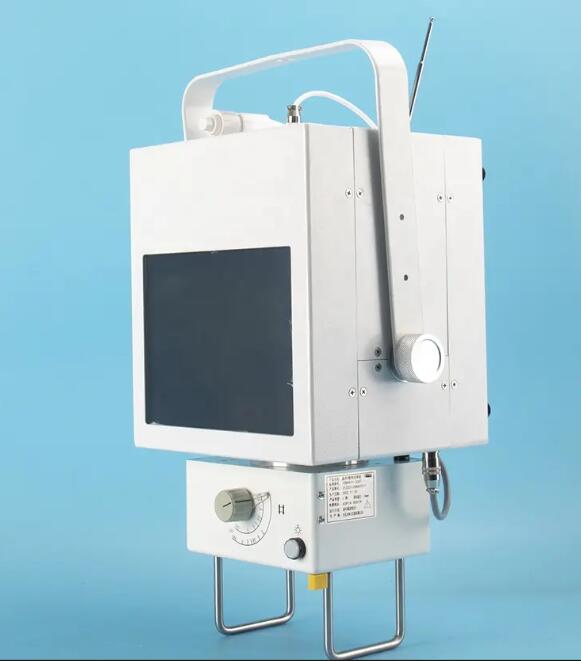
Portable digital X‑ray systems with flat‑panel detectors provide rapid, high‑quality bedside imaging for emergency, orthopedic, surgical, and home‑care settings. Lightweight and mobile, these units enable instant DICOM output for on‑site review and teleradiology, reduce the need for shielded rooms, and support decentralized healthcare workflows. Before purchasing, request image samples, dose reports, real‑world performance data, and proof of regulatory compliance. Ensure operator training and local maintenance plans to maximize safety and uptime. Portable DR solutions can significantly improve access to imaging when validated for clinical quality and supported by robust service arrangements.

High-precision X-ray collimators minimize scatter radiation and reduce patient dose. Adjustable apertures for dental, radiology & radiotherapy. CE/FDA certified. Request specs.

Flat-panel X-ray detectors convert X-rays into digital images for medical and industrial use. Two main types are scintillator-based amorphous silicon (indirect) and direct-conversion amorphous selenium. They offer faster imaging, higher resolution, reduced radiation dose, and streamlined digital workflows compared with film. Choose based on required sensitivity, resolution, speed, cost, and integration needs. Verify DQE/MTF specs and service options before purchase.
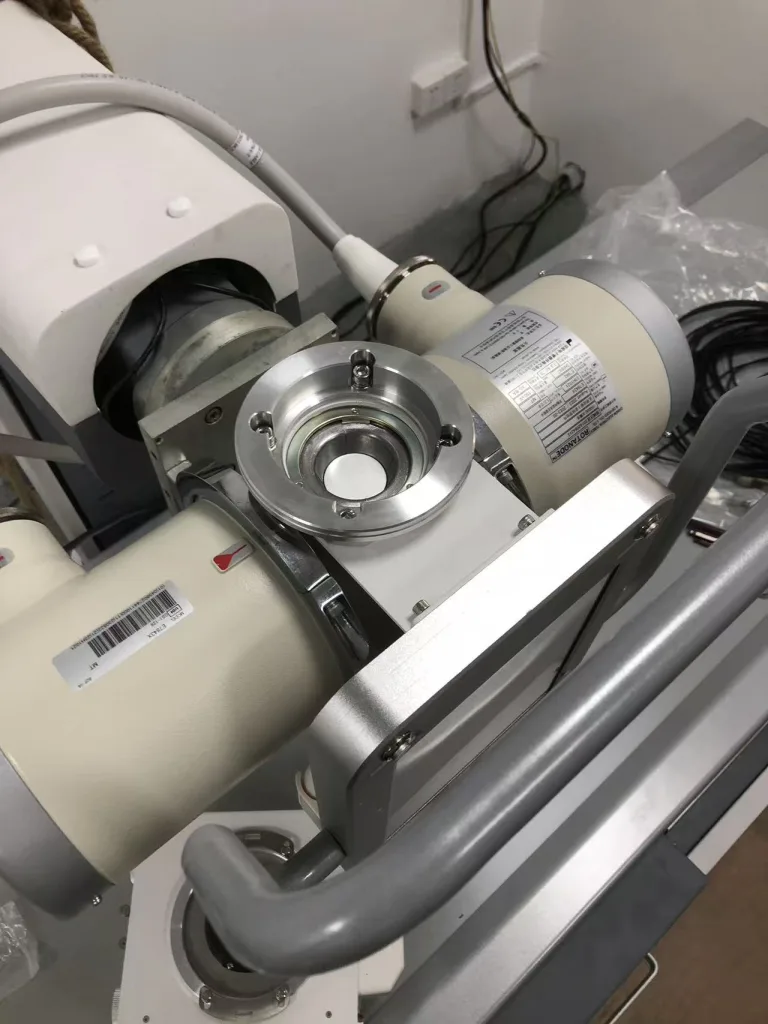
A technical guide for medical imaging high-voltage cables used in X-ray and CT systems. Covers flexible, shielded designs with composite EMI protection, radiation/disinfectant-resistant insulation, and mechanical durability for frequent bending. Includes procurement specs, failure prevention strategies, and custom options like embedded sensors. Essential for OEMs and procurement teams ensuring safety and compliance with standards like IEC 60601.