X-ray Machine Price Guide for Hospitals
Medical imaging equipment plays a critical role in modern healthcare. Among these technologies, X-ray systems remain one of the most essential diagnostic tools for hospitals and clinics. However, one of the most common questions buyers ask is: what is the typical x-ray machine price?
The cost of an X-ray system can vary significantly depending on the type of equipment, imaging technology, installation requirements, and supplier support. Hospitals planning to buy x-ray machine equipment must evaluate not only the price but also the system performance, reliability, and long-term maintenance costs.
What Determines the X-ray Machine Price?
The x-ray machine price is influenced by several key factors. Understanding these elements will help hospitals make more informed purchasing decisions.
1. Type of X-ray System
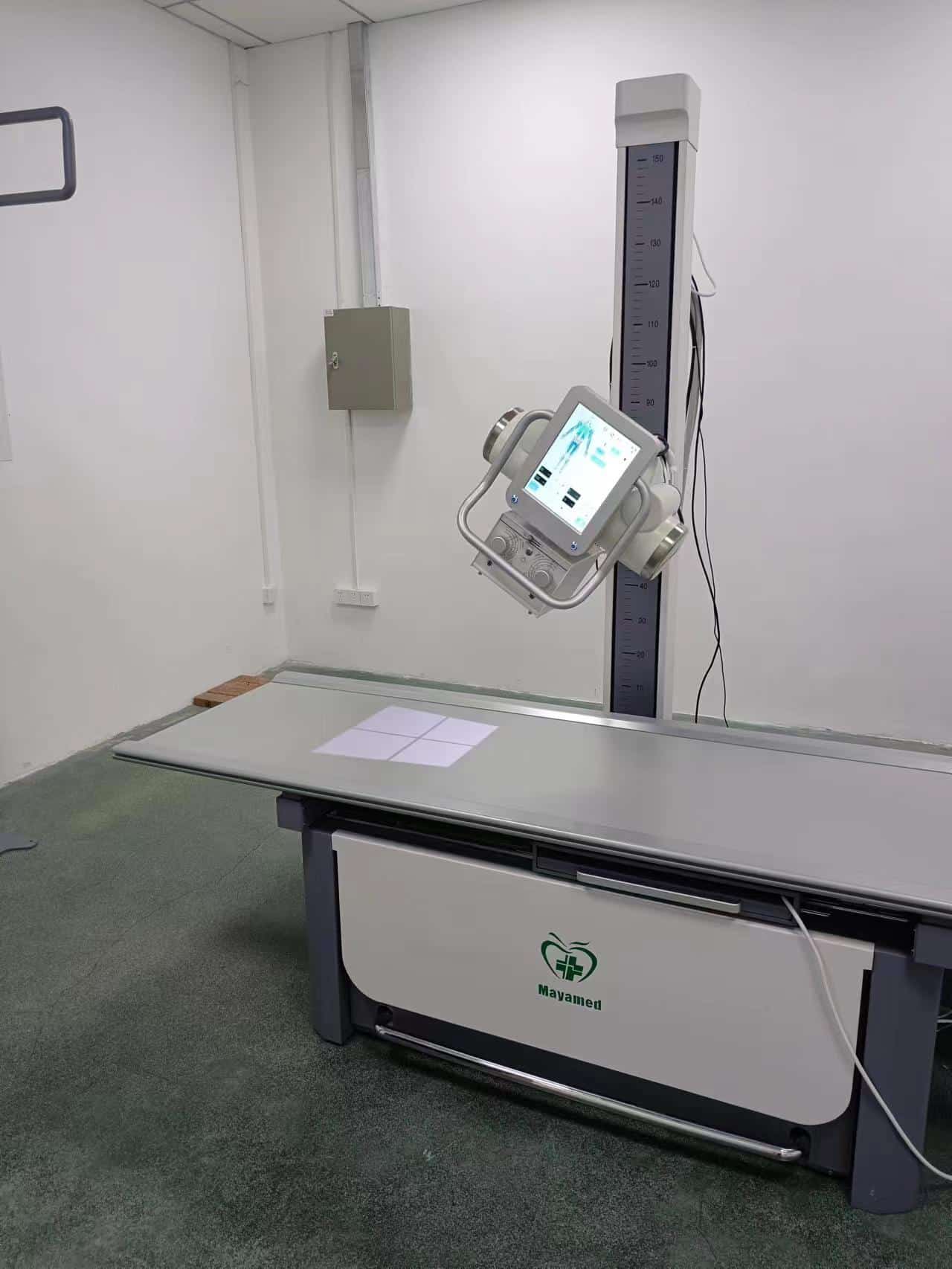
Different X-ray systems are designed for different medical environments. Portable X-ray machines are typically more affordable and are widely used in emergency departments or mobile care settings. Fixed digital radiography systems are more advanced and are commonly used in hospital radiology departments.
2. Detector Technology
The detector is one of the most expensive components in a digital X-ray system. High-quality flat-panel detectors provide better image clarity and faster imaging workflows. Hospitals looking to improve diagnostic accuracy often invest in advanced detectors even if the initial cost is higher.
3. Imaging Performance
High-frequency generators, automated positioning systems, and advanced imaging software can increase the total equipment cost. However, these features also improve workflow efficiency and patient throughput.
4. Installation Requirements
Some hospitals need to build shielded radiology rooms or modify existing spaces before installing imaging equipment. These infrastructure changes can affect the overall investment required for an X-ray system.
Average X-ray Machine Price Range
| Equipment Type | Estimated Price Range |
|---|---|
| Portable X-ray Machine | $20,000 – $60,000 |
| Digital Radiography (DR) System | $60,000 – $150,000 |
| High-End DR System | $150,000 – $300,000+ |
These prices may vary depending on the manufacturer, configuration, detector type, and service agreements provided by the x-ray machine supplier.
How to Choose the Right X-ray Machine for Hospital Use
Selecting the right x-ray machine for hospital environments requires careful planning. Hospitals should evaluate patient volume, imaging needs, and long-term operational costs.
- ✔ Evaluate patient throughput
- ✔ Choose the appropriate imaging technology
- ✔ Consider future system upgrades
- ✔ Ensure supplier provides technical support
A reliable x-ray machine supplier should provide installation support, training, and after-sales service to ensure stable equipment performance.
Example Technical Specifications
Below is an example of typical technical specifications for a hospital digital radiography system.
| Parameter | Specification |
|---|---|
| Generator Power | 32kW – 65kW |
| Detector Type | Flat Panel Digital Detector |
| Imaging Area | 17 x 17 inch |
| Tube Voltage | 40 – 150 kV |
| Positioning System | Ceiling Mounted / Floor Mounted |
Choosing a Reliable X-ray Machine Supplier
When hospitals decide to buy x-ray machine equipment, choosing the right supplier is as important as selecting the technology itself.
A professional supplier should offer:
- ✔ International certifications (CE / FDA / ISO)
- ✔ Installation and technical support
- ✔ Spare parts availability
- ✔ Long-term maintenance service
Working with an experienced x-ray machine supplier ensures that hospitals receive high-quality equipment and reliable technical assistance throughout the product lifecycle.
Conclusion
Understanding the factors that influence x-ray machine price is essential for hospitals planning to upgrade or expand their imaging departments. From portable systems to advanced digital radiography solutions, the right equipment can improve diagnostic efficiency and enhance patient care.
Hospitals should carefully evaluate system features, installation requirements, and supplier capabilities before making a final decision.