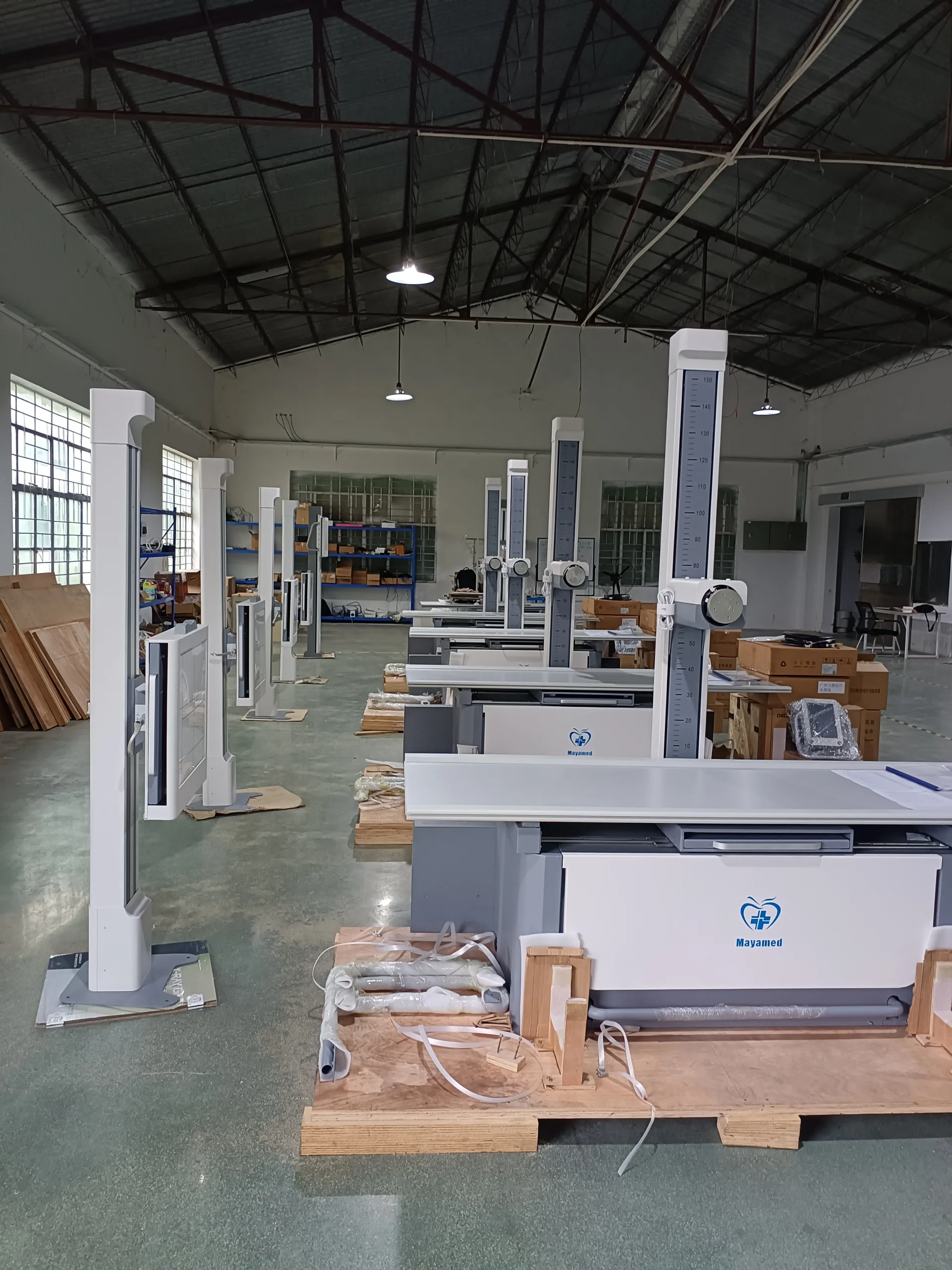
Essential Daily Maintenance Tips for X-Ray Machines
Meta Description: Discover practical daily care routines to extend X-ray machine lifespan, prevent breakdowns, ensure safety, and maintain top image quality.
X-ray machines are vital tools in healthcare, diagnostics, and industry, but their reliability depends heavily on consistent care. Proper routine maintenance not only extends equipment lifespan but also minimizes unexpected downtime, reduces repair costs, and ensures consistent high-quality imaging. Here are proven daily and ongoing practices to keep your X-ray system performing at its best.
🌡️ 1. Control the Operating Environment
Maintain a stable, controlled space for your X-ray equipment. High humidity can lead to condensation inside components, causing corrosion, electrical shorts, or altered performance in high-voltage circuits. Aim for relative humidity between 40-60% and room temperatures of 18-24°C (64-75°F). Use dehumidifiers if needed, and avoid placing machines near windows, vents, or water sources. A dry environment protects sensitive parts like the X-ray tube and high-voltage cables from moisture-related failures.
🧹 2. Implement Thorough Dust Prevention and Cleaning
Dust accumulation is one of the most common causes of overheating, poor contact, and image artifacts.
- Exterior surfaces: Wipe daily with a soft, dry microfiber cloth or one lightly dampened with approved non-abrasive, electronics-safe cleaner. Never use wet cloths, harsh chemicals, or sprays near openings.
- Internal areas: Schedule regular (weekly or monthly, based on usage) gentle cleaning of vents, fans, and accessible internals using compressed air, a soft brush, or low-power vacuum. Avoid direct blowing on delicate electronics. Clean collimators, tube housings, and moving rails to prevent grit buildup that affects smooth operation.
Regular cleaning supports proper cooling and prevents dust from interfering with image quality or mechanical functions.
⚠️ 3. Handle Equipment with Care to Avoid Mechanical Stress
X-ray systems contain precision components like the X-ray tube (which generates radiation via electron bombardment) and imaging detectors or fluoroscopy screens (for real-time viewing).
- Move machines slowly and use dedicated transport carts when repositioning.
- Avoid bumping, dropping, or exposing to shocks/vibrations, as these can misalign the tube anode, damage bearings, or crack fragile screens.
- Always power down and secure moving parts (e.g., tube arms, tables) before transport or storage.
Gentle handling preserves alignment and prevents costly component replacements.
🔧 4. Additional Best Practices for Longevity
- Perform visual inspections daily: Check cables for wear, leaks around tube housings, unusual noises during warm-up, or error indicators.
- Follow manufacturer schedules for professional calibration, tube warm-up routines, and annual servicing by certified technicians.
- Ensure stable power supply with surge protection to guard against voltage fluctuations.
By prioritizing these simple yet effective habits, you can significantly reduce fault risks, maintain diagnostic accuracy, and maximize return on investment for your X-ray equipment.
*Note: Always refer to your specific model’s user manual and consult qualified service professionals for tailored advice. These guidelines are general and promote safety and performance.*