Portable vs Fixed X-ray Machine: Which is Better for Your Clinic?
Introduction
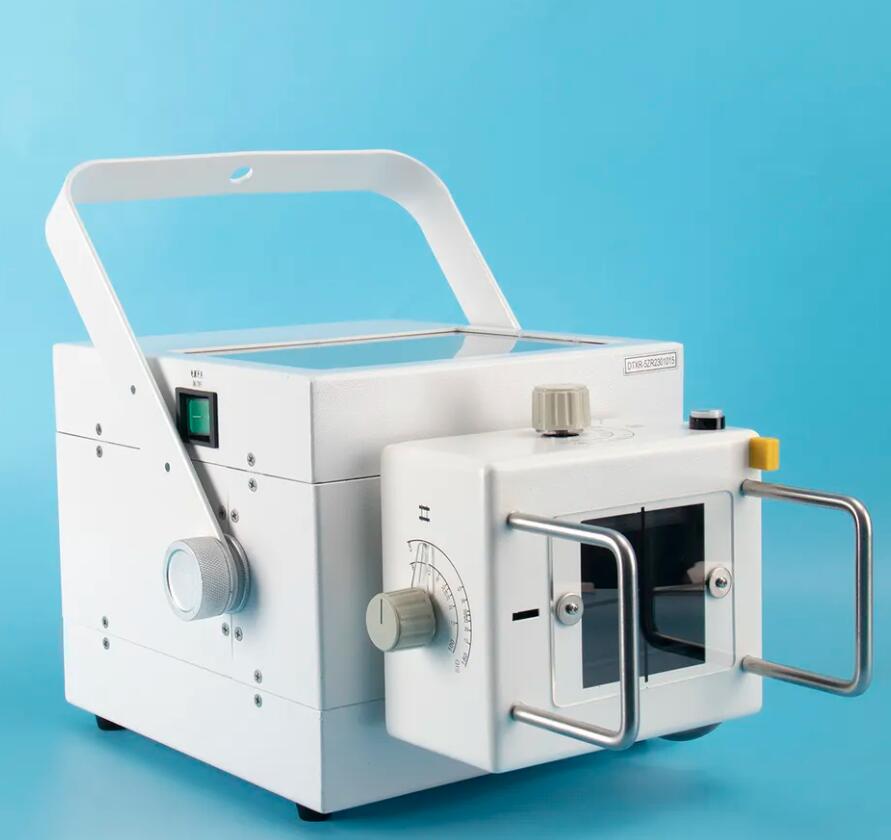
In today's rapidly evolving healthcare landscape, portable x-ray machine has become an essential component of modern medical facilities. Whether you're a hospital administrator, clinic manager, or procurement specialist, understanding the latest advancements in portable x-ray machine is crucial for making informed decisions.
This comprehensive guide will explore everything you need to know about portable x-ray machine, from technical specifications to pricing considerations, helping you choose the right solution for your healthcare facility in 2026.
Portable X-Ray Machine Comparison Guide
Choosing between different portable x-ray machine options requires careful evaluation of features, performance, and value. This comparison guide helps you understand key differences.
⚖️ Technology Comparison
Digital vs Analog Systems
| Feature | Digital Radiography | Analog Film-Based |
|---|---|---|
| Image Quality | Superior resolution, adjustable contrast | Limited dynamic range |
| Workflow Speed | Instant preview, no chemical processing | 10-15 minutes per image |
| Storage | Digital archives, easy retrieval | Physical filing, space-intensive |
| Cost per Image | $5-15 (minimal consumables) | $20-40 (film + chemicals) |
📱 Portable vs Fixed Systems
Portable Advantages:
- ✅ Bedside imaging for critical care patients
- ✅ Multi-location flexibility
- ✅ Lower initial investment ($15,000-$80,000)
- ✅ Minimal space requirements
Fixed System Advantages:
- ✅ Superior image quality and consistency
- ✅ Higher patient throughput
- ✅ Advanced features and automation
- ✅ Better long-term value for high-volume facilities
🏆 Top Manufacturers Comparison
- GE Healthcare: Industry leader, comprehensive portfolio, premium pricing
- Siemens Healthineers: German engineering, advanced automation
- Philips Healthcare: User-friendly interfaces, strong AI integration
- Canon Medical: Reliable performance, competitive pricing
- Fujifilm: Superior detector technology, excellent image quality
Conclusion
Choosing the right portable x-ray machine is a significant investment that impacts patient care quality and operational efficiency. By considering factors such as technical specifications, budget constraints, and long-term maintenance requirements, you can make an informed decision that serves your healthcare facility well into the future.
Remember to evaluate multiple suppliers, request demonstrations, and consult with clinical staff before finalizing your purchase. The right portable x-ray machine solution will enhance diagnostic capabilities while providing excellent value for your investment.
Generated on 2026-03-27 | Medical Imaging Content Series